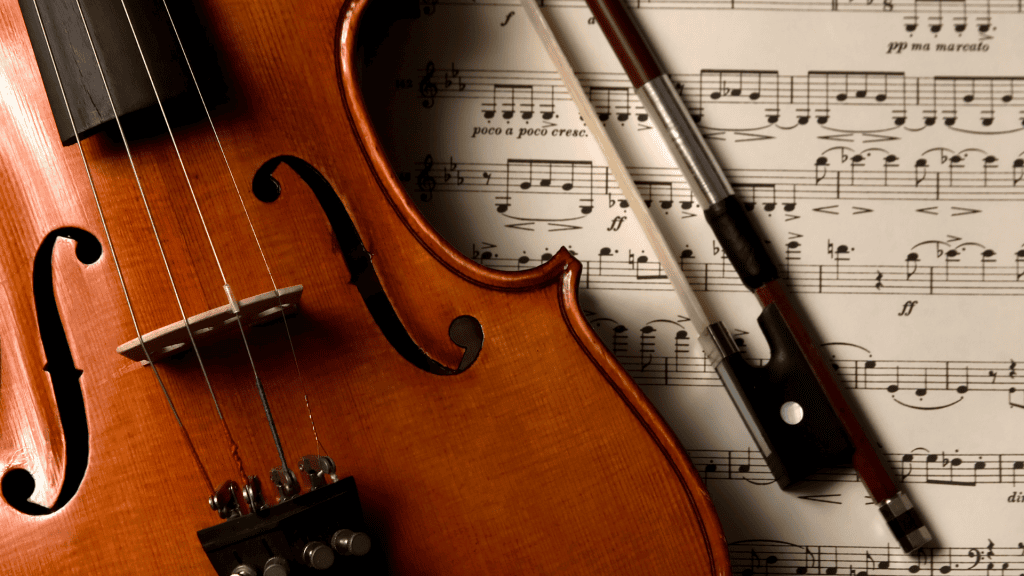
Several years ago, a world class violinist stood in a Washington, D.C. subway station during morning rush hour and began to play. Commuters hurried past on their way to work. Coffee cups in hand, eyes forward, people moved through the station as they did every morning.
The musician was Joshua Bell, one of the most celebrated violinists in the world. The instrument in his hands was a Stradivarius worth millions. Just days earlier, he had performed for a sold out concert hall where tickets averaged around one hundred dollars a seat.
In the subway that morning he played for about forty five minutes. Thousands of people passed by. A few dropped money in his case (Totaling less than $35). Most never slowed their stride. But there was one group that reacted differently.
Children.
Several children tried to stop. They turned their heads toward the sound. Some slowed their steps. One or two lingered long enough that their parents had to gently pull them along to keep moving.
Something in the music caught their attention.
They were not worried about the clock. They were not thinking about the work day ahead. They heard something beautiful and their instinct was to pause.
The adults kept moving.
This story has been repeated often because it raises a question: How often do we move through our days so focused on what comes next that we miss what is happening right in front of us?
Life has a way of presenting ordinary moments that invite us to slow down and notice.
Children tend to notice these things more easily. They still move through the world with curiosity.
Somewhere along the way adulthood trains that curiosity out of us. Schedules tighten, attention narrows.
Here’s your call to pay attention. This invitation offers you something better. Move through the day with just enough space in your attention to notice what deserves to be noticed.
You never know when something extraordinary might be playing right in front of you.